SAP TM Integration
SAP TM AI Integration
AI-powered automation layered on SAP Transportation Management — document processing, data enrichment, and operational intelligence.
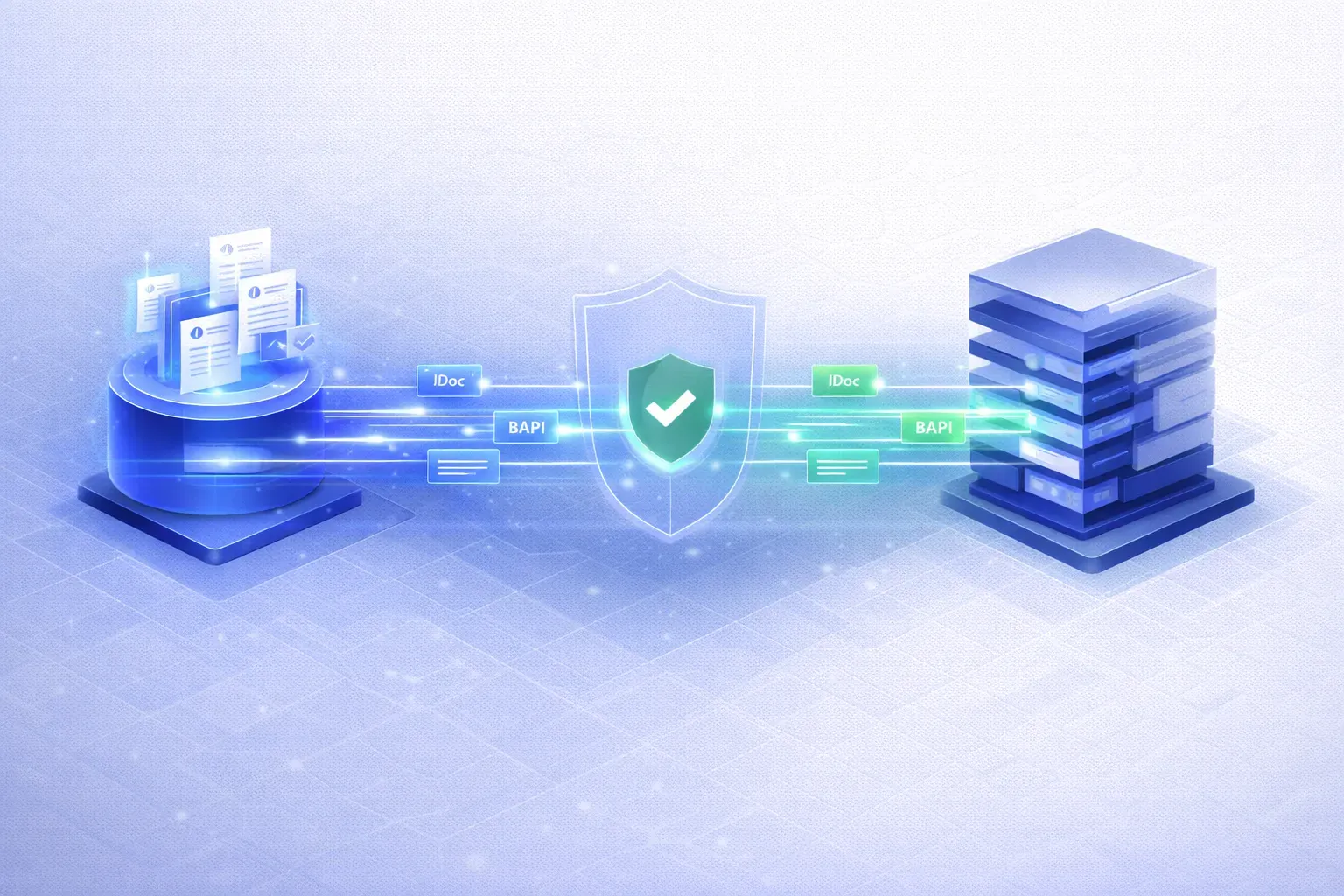
SAP Transportation Management is the TMS of choice for large shippers and logistics service providers running complex, high-volume freight operations. Whether you run classic SAP TM or the embedded Transportation Management module in S/4HANA, FreightMynd layers SAP logistics AI on top of your existing SAP environment — automating document processing, freight order creation, and operational intelligence without replacing or disrupting your SAP infrastructure.
SAP TM AI Integration Architecture
Connection Method
SAP APIs, BAPIs, RFC calls, SAP Integration Suite (BTP optional)
Supported Versions
SAP TM classic, SAP S/4HANA embedded Transportation Management
Data Objects
SAP TM AI Automation Capabilities
Freight order creation from extracted shipment documents
Extracted data from shipping documents is mapped to SAP TM freight order structures and created via BAPI calls. Handles complex freight order hierarchies including multi-leg, multi-modal orders with proper stage and item structuring.
Automated document attachment to SAP TM objects
Source documents are attached to the corresponding SAP TM objects (freight orders, bookings, transportation requests) with proper document type classification, enabling operators to access originals directly from SAP.
Transportation request data enrichment
Incoming transportation requests are enriched with extracted document data — verified weights, dimensions, commodity details, and special handling requirements — reducing manual data completion and improving planning accuracy.
Carrier invoice processing and matching against freight orders
Carrier invoices are extracted, matched against the originating freight orders in SAP TM, audited for rate accuracy against contracted tariffs, and routed for approval or dispute — all within your existing SAP workflow.
Real-time shipment event updates from carrier APIs into SAP TM
Carrier tracking data and milestone events from external APIs are mapped to SAP TM event management, updating shipment status in real-time and triggering SAP-native alerts and workflows when exceptions occur.
How FreightMynd Connects to SAP TM
Your Documents
FreightMynd AI
Validation
SAP TM
SAP TM AI Integration — FAQ
How does FreightMynd work with SAP TM?
Do we need SAP BTP?
Can it handle SAP S/4HANA Transportation Management?
What SAP TM objects does FreightMynd write to?
Does it require SAP Integration Suite?
How does it handle SAP authorization and role management?
Solutions That Work with SAP TM
4PL Control Tower
Full document intelligence pipeline — email monitoring to CargoWise XML with zero manual entry. Built and live for Hellmann Worldwide Logistics.
Pricing AI
AI-driven freight rate analysis, pricing optimization, and market intelligence for sea and air freight forwarders.
3PL/4PL Operations
AI automation for 3PL and 4PL logistics providers — multi-client management, SLA monitoring, and operational intelligence.
Quote Management
AI-powered freight quote generation, comparison, and response automation. Automate every freight quote from spot quotes to contract rates — reduce turnaround from hours to minutes.
Revenue Recovery
AI-powered freight audit and revenue recovery — automated carrier invoice validation, overcharge detection, contract rate enforcement, and dispute management. Stop the revenue leakage hiding in your freight invoices.
Spend Analytics
AI-powered freight spend analytics — real-time visibility into transportation costs by carrier, lane, mode, and service level. Built from your actual invoice and shipment data, not estimates.
Document Automation
Automate freight document processing — invoices, AWBs, bills of lading, customs forms. AI extraction with 99%+ accuracy and direct TMS integration.
TMS Automation
Automate your TMS with AI — zero manual data entry, intelligent document routing, and native API integration with CargoWise, SAP TM, Oracle TMS.
Other Integrations
Ready to Connect AI to SAP TM?
Book a free audit. We'll assess your SAP TM setup and show you what's possible.