Oracle TMS Integration
Oracle TMS AI Integration
AI automation for Oracle Transportation Management — intelligent document processing, shipment automation, and operational analytics.
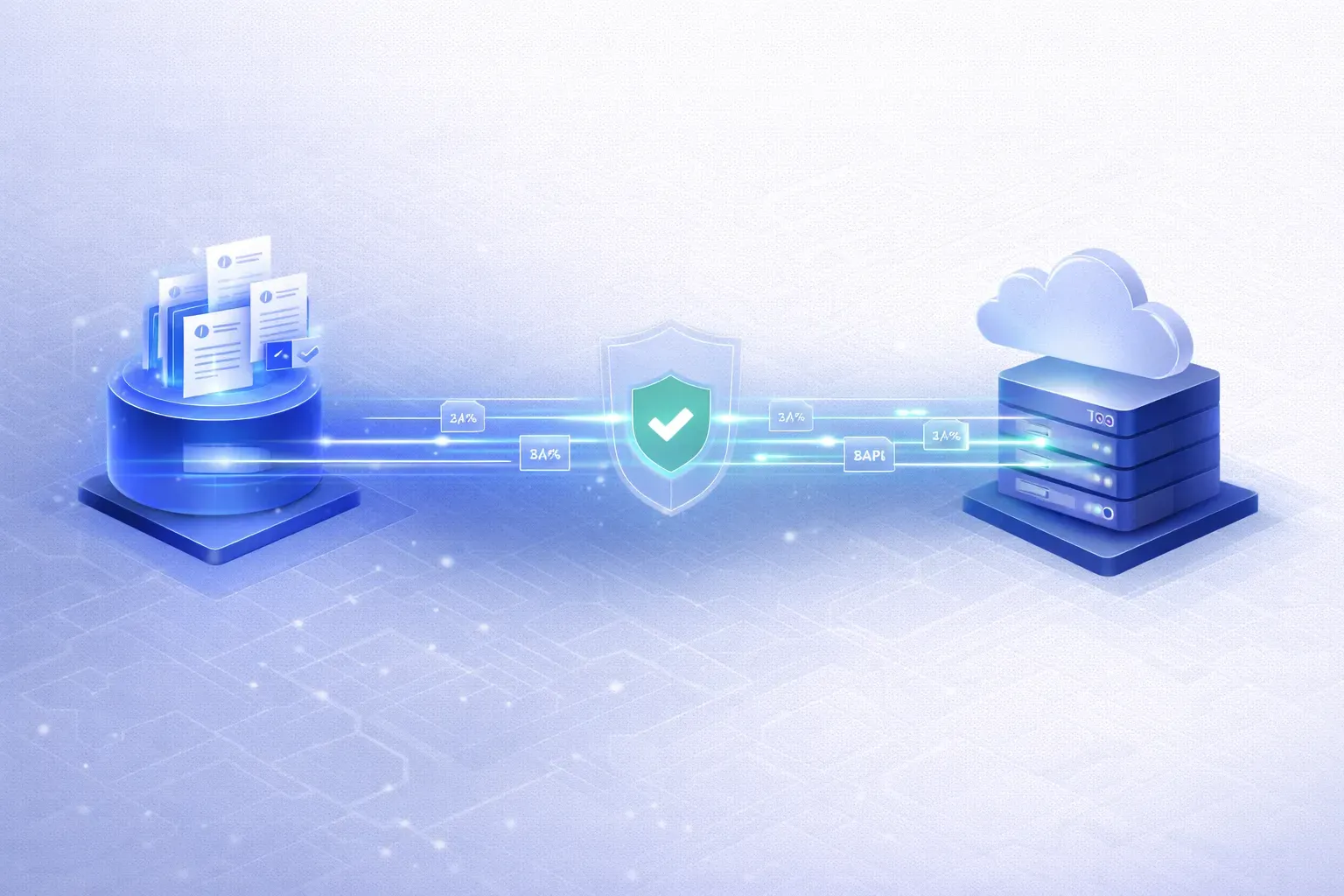
Oracle Transportation Management (OTM) serves enterprise shippers, 3PLs, and global trade management operations with comprehensive transportation planning, execution, and settlement capabilities. Whether you run Oracle OTM Cloud or on-premise, FreightMynd integrates AI-powered document intelligence and operational automation via Oracle's REST APIs and web services — extending your OTM's capabilities without replacing or disrupting your existing Oracle infrastructure.
Oracle TMS AI Integration Architecture
Connection Method
Oracle REST APIs and web services
Supported Versions
Oracle OTM Cloud, Oracle OTM on-premise, Oracle Global Trade Management (GTM)
Data Objects
Oracle TMS AI Automation Capabilities
Shipment creation and enrichment from extracted documents
Extracted data from freight documents is mapped to OTM shipment objects and created or updated via REST APIs. Handles complex multi-stop, multi-leg shipments with proper stop sequence, equipment, and service provider assignments.
Automated document attachment and classification
Source documents are classified by type and attached to the correct OTM shipment or order record, with metadata tags enabling Oracle's document search and retrieval capabilities.
Order release data population from commercial documents
Commercial invoices and purchase orders are extracted and mapped to OTM order releases, pre-populating item details, quantities, weights, and special handling requirements before planning runs.
Carrier invoice processing via Oracle Financials integration
Carrier invoices are extracted, matched against OTM shipment costs, audited for rate accuracy, and routed through Oracle's settlement workflow — catching overcharges and enabling automated or semi-automated payment processing.
Real-time event management from carrier tracking APIs
Carrier milestone data is mapped to OTM's event management framework, updating shipment status and triggering OTM-native exception management workflows when deviations are detected.
How FreightMynd Connects to Oracle TMS
Your Documents
FreightMynd AI
Validation
Oracle TMS
Oracle TMS AI Integration — FAQ
Which Oracle TMS versions are supported?
How does data flow between FreightMynd and Oracle Transportation Management?
Can it work alongside existing Oracle integrations?
Does it integrate with Oracle Financials for invoice processing?
How does FreightMynd handle Oracle OTM's complex shipment structures?
What is the implementation timeline for Oracle TMS integration?
Solutions That Work with Oracle TMS
Document Intelligence
AI-powered extraction and processing of freight documents — invoices, AWBs, packing lists, customs forms — with 99%+ accuracy.
Sea Freight
End-to-end shipping AI automation for sea freight operations — freight booking, documentation, tracking, and exception management.
Invoice Processing
AI-powered freight invoice processing and procurement automation — extraction, validation, matching, and approval automation for logistics AP and procurement teams.
3PL/4PL Operations
AI automation for 3PL and 4PL logistics providers — multi-client management, SLA monitoring, and operational intelligence.
Document Automation
Automate freight document processing — invoices, AWBs, bills of lading, customs forms. AI extraction with 99%+ accuracy and direct TMS integration.
TMS Automation
Automate your TMS with AI — zero manual data entry, intelligent document routing, and native API integration with CargoWise, SAP TM, Oracle TMS.
Other Integrations
Ready to Connect AI to Oracle TMS?
Book a free audit. We'll assess your Oracle TMS setup and show you what's possible.